No Child is Born Confident.
Any Child Can Become Confident.
What is a Mindset?
A mindset is an individual’s view, a unique lens, on the world. Mindset is the attitude with which a person approaches situations in life. It is a state of mind based on personal beliefs. These beliefs guide their actions.
What is a Skill set?
A skill set is the collection of skills that an individual has developed to use in life. It is the combination of knowledge, experience, and abilities that have developed through continual actions of practice.
Why Mindset Before Skill Set?
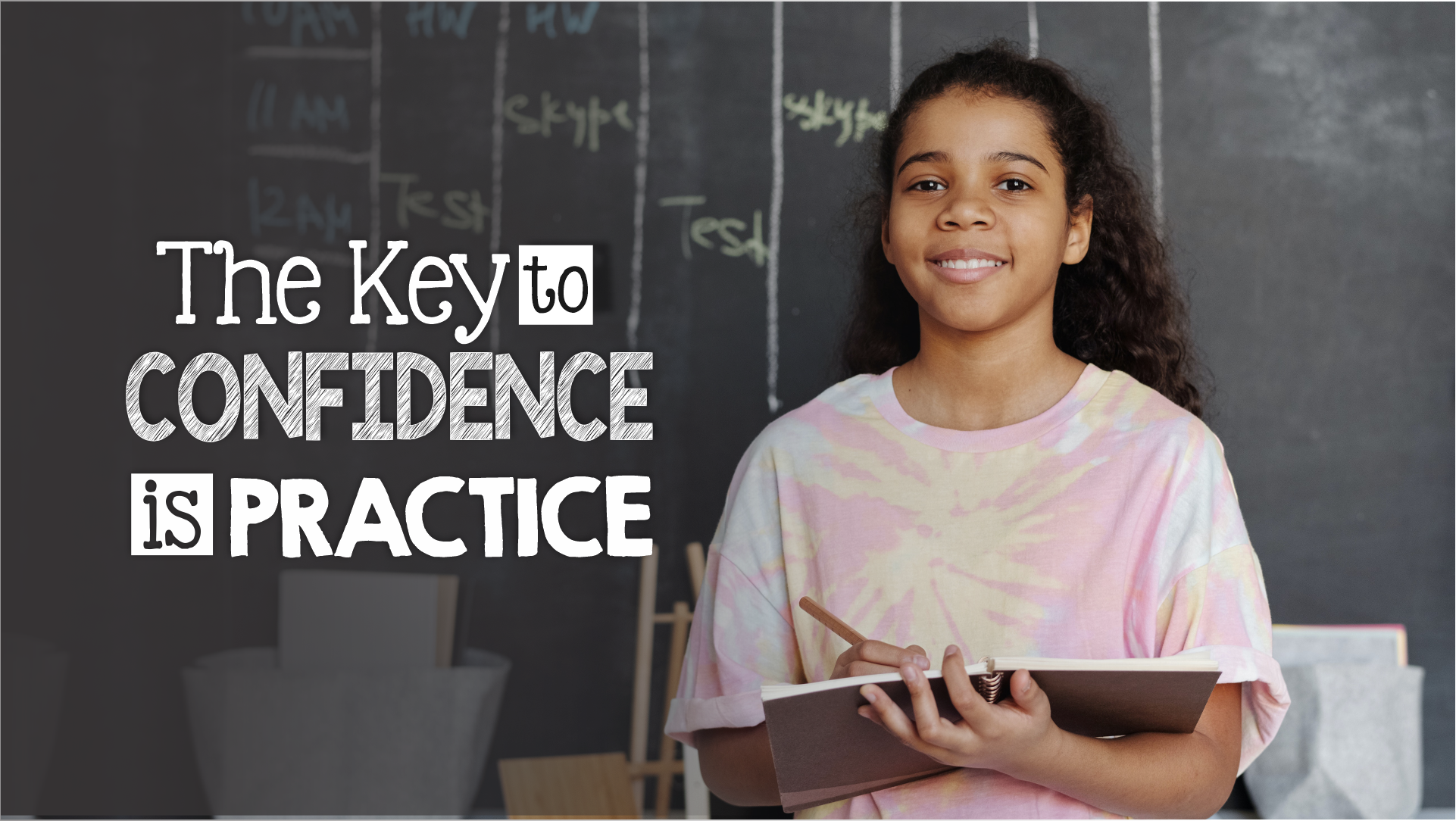
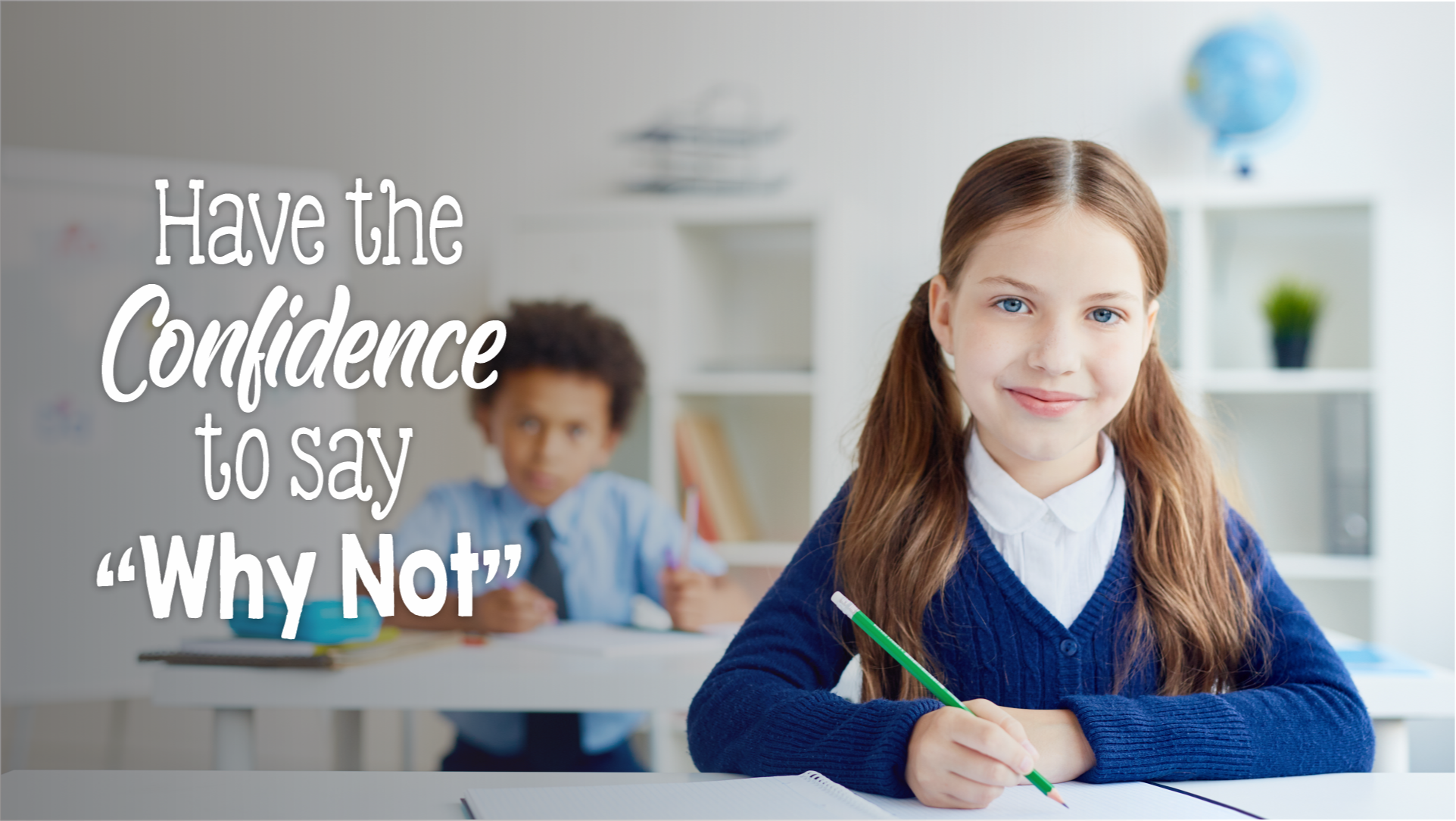
- An individual’s mindset impacts their eagerness to develop new skills. A mindset of confidence fosters a “why not” attitude toward new opportunities and encourages consistent practice, which leads to skill development.
- When it comes to academics, a child’s mindset shapes their approach to learning. Embracing difficulties and persisting through practice helps them master complex concepts, strengthen problem-solving, and turn obstacles into opportunities—such as achieving an A on their test!
- When trying a new sport, confidence isn’t instant. But with the right mindset, challenges become opportunities for growth. This perspective encourages regular practice and openness to feedback, enabling them to unlock potential, build confidence, and celebrate milestones like scoring their first goal!
What is A Confident Mindset™?
A Confident Mindset™ (ACM) is a research-backed, six-step framework rooted in three pillars—Courage, Character, and Commitment. It’s designed to teach confidence as a learned mindset, not an innate trait.
With ACM, every child—regardless of their starting point—can develop the skills to speak up, take healthy risks, and thrive in all areas of life.
The 6 Steps of A Confident Mindset™
Courage
Step 1: Believe in Yourself
Trust in your abilities and recognize the unique value of your skills and traits.
Step 2: Face Your Fears
Courage means not being fearless, but choosing to face the fears that hold you back.
Character
Step 3: Be Good to Yourself
Make healthy choices that support your growth and strengthen your belief in yourself.
Step 4: Be Good to Others
Show kindness, accountability, and respect, knowing your actions impact those around you.
Commitment
Step 5: Regular Practice
Commit to consistent effort, building steady habits that move you closer to your goals.
Step 6: Better Practice
Seek feedback, apply it, and use it to improve so your practice leads to progress.